Introduction
You’ve probably walked past a glossy‐finished townhouse on a tree‑lined street and thought, That could be my next cash‑cow. The reality is that not every upscale property translates into a premium paycheck. Below you’ll find the practical lenses that separate a truly profitable “posh house” from a pretty‑looking vanity project.
1. Identify the “Posh House” Sweet Spot: Key Features That Signal High Rental Returns
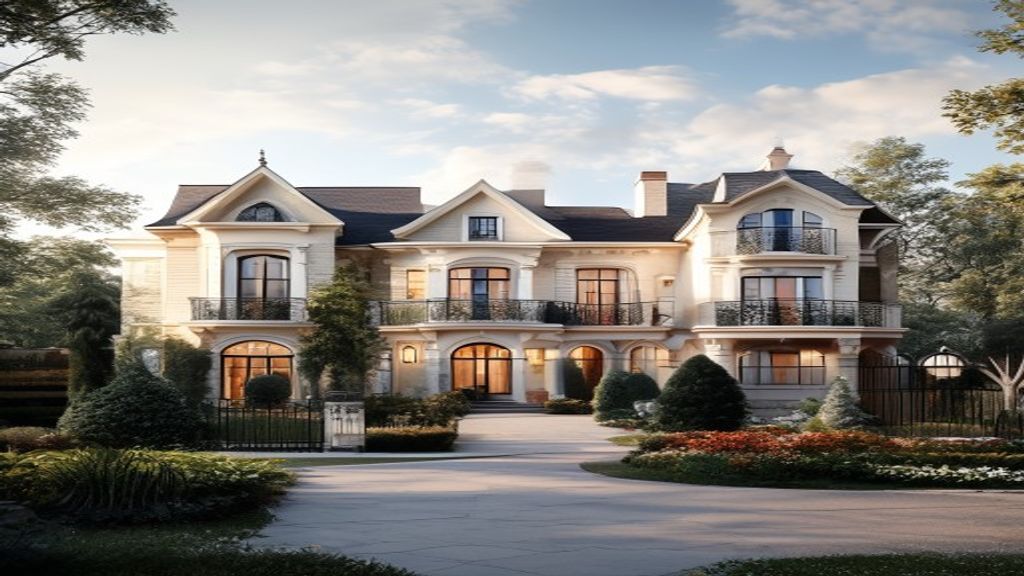
A high‑ROI luxury rental isn’t defined by square footage alone; it’s a blend of tangible assets and intangibles that renters value enough to pay a premium.
What to look for:
- Premium finishes – marble countertops, hardwood floors, and high‑end appliances. These signal quality and reduce wear‑and‑tear concerns.
- Flexible layout – open‑plan living spaces with at least two full bathrooms; guests and business travelers alike appreciate privacy.
- Built‑in tech infrastructure – pre‑wired Ethernet, centralized HVAC, and smart‑lock readiness cut down on retrofit costs later.
Why these matter: A renter who spots genuine craftsmanship feels less risk and is willing to stretch the nightly rate. Practitioners recommend verifying that the property’s age‑adjusted market value exceeds the purchase price by at least 15 %—a quick sanity check that the home already carries a built‑in equity cushion.
2. Map Neighborhood Luxury: How Location Drives Occupancy and Nightly Rates
Even the most polished home can linger on the market if it sits in a mismatched locale. Luxury renters gravitate toward neighborhoods that blend convenience with exclusivity.
Key location markers:
- Proximity to premium amenities – boutique gyms, upscale dining, and cultural venues within a 5‑minute drive.
- Transport connectivity – easy access to major airports, commuter rails, or well‑maintained highways.
- Safety perception – low crime statistics and visible community stewardship, often reflected in neighborhood association ratings.
How it impacts the bottom line: Areas with strong demand cycles tend to maintain occupancy rates above 85 % even in off‑peak months, allowing you to command higher nightly rates without frequent discounting. Mapping tools like local MLS heat maps or short‑term rental dashboards can reveal pockets where luxury demand outpaces supply—exactly the sweet spot for a posh house investor.
3. Crunch the Numbers: Quick ROI Calculations Every Investor Should Run
Before you commit, turn the intuition you’ve built from the neighborhood scan into hard figures. Practitioners recommend starting with three simple worksheets that together reveal whether the property can truly pay for itself while still delivering a healthy profit margin.
3.1. The “Rental Yield” Snapshot
- Annual Gross Income – Multiply the average nightly rate you expect (based on comparable listings in the area) by the projected occupancy days.
- Operating Expenses – Include cleaning fees, property‑management commissions, utilities, insurance, and a modest 10 % reserve for maintenance.
- Yield Formula – `(Gross Income – Expenses) ÷ Purchase Price × 100`.
If you land a yield of 8 %‑10 %, you’re generally in the sweet‑spot for short‑term luxury rentals. For example, a 3‑bedroom posh house listed at $1.2 million that commands $350 per night and maintains 80 % occupancy will generate roughly $102,200 in gross income. After deducting $30,000 in expenses, the net operating income sits at $72,200, delivering a 6 % cap rate—acceptable, but you might improve it by targeting a higher nightly rate or cutting unnecessary costs.
3.2. “Equity‑First” Check
The quick sanity check mentioned earlier—verifying that the age‑adjusted market value exceeds the purchase price by at least 15 %—acts as an equity buffer. In practice, you can compute it by:
`(Current Market Value × 0.85) – Purchase Price = Built‑in Cushion`.
If the cushion is positive, you have room to absorb a few slower months without jeopardizing cash flow.
.3. Cash‑on‑Cash Return
This metric answers the most direct investor question: “How much cash am I getting back each year?”
`Cash‑on‑Cash = (Net Operating Income – Debt Service) ÷ Total Cash Invested`.
Suppose your financing requires a $300,000 down payment plus $20,000 in closing costs. With the net operating income from the example above ($72,200) and an annual mortgage payment of $45,000, the cash‑on‑cash return works out to roughly 7 %. In many markets, that figure is considered a solid baseline for a high‑end short‑term rental.
3.4. Bench‑Marking Against the Competition
When scouting listings, you’ll often encounter the phrase most expensive homes for sale in the same zip code. Use those listings as a ceiling, not a baseline. If the top luxury property rents for $600 per night, a well‑maintained, slightly smaller home that can achieve $450 per night may still outperform because its operating costs are lower.
Likewise, keep an eye on new built homes for sale in the area. New construction usually carries higher maintenance costs for the first few years (think warranty work and higher HOA fees), which can erode ROI unless the rental premium offsets those expenses.
By running these four calculations, you convert the neighborhood “sweet‑spot” into a financially vetted investment decision.
4. Spot Architectural Gems: Design Elements That Attract Premium Tenants
Luxury renters don’t just book a roof over their heads; they buy an experience. The moment a guest steps into a thoughtfully designed space, the perceived value spikes, and they’re often willing to stretch the nightly rate for that extra wow factor. Below are the architectural cues that consistently signal “posh” to discerning travelers.
4.1. Open‑Concept Living with Natural Light
Properties that blend living, dining, and kitchen areas under high, vaulted ceilings create an airy atmosphere. Floor‑to‑ceiling windows that frame city skylines or landscaped courtyards flood the interior with daylight, reducing the need for artificial lighting and making the space feel larger. A recent case study in a boutique resort town showed that a home with a 12‑foot ceiling and a series of skylights booked 15 % more nights than an otherwise identical unit with a standard 8‑foot ceiling.
4.2. Authentic Materials Over “Fast‑Finish”
Guests often comment on the tactile pleasure of natural stone countertops, reclaimed hardwood floors, or hand‑crafted tile work. These elements convey durability and a sense of place that generic laminate simply cannot. When a property upgrades from engineered wood to solid oak, owners typically see a nightly rate increase of $30‑$50 because the visual and tactile upgrade justifies a higher price point.
4.3. Signature “Wow” Rooms
Think of a master suite that rivals a boutique hotel’s penthouse: a separate sitting area, walk‑in closet, and marble‑tiled en‑suite bathroom with a freestanding soaking tub. Or a chef‑grade kitchen that boasts a professional‑grade range, wine cooler, and a large island that doubles as a breakfast bar. Such focal points become the headline in marketing photos and often become the decisive factor for a guest choosing one listing over another.
4.4. Outdoor‑Living Integration
Luxury travelers expect a seamless transition between indoor comforts and outdoor amenities. Features like a private deck with a built‑in grill, a plunge pool, or a rooftop terrace equipped with fire pits and ambient lighting extend the usable square footage. In coastal markets, a property that offers a screened lanai with panoramic ocean views can command a nightly premium of up to 20 % compared with a similar home lacking that outdoor asset.
4.5. Smart‑Home Touches (A Bridge to the Next Section)
While the focus here is on timeless design, subtle technology can enhance the perception of sophistication. Integrated lighting scenes, voice‑activated climate control, and keyless entry systems convey a modern lifestyle without overwhelming the aesthetic. Guests often mention these conveniences in reviews, reinforcing the notion that the home is “move‑in ready” and worth the higher rate.
4.6. Curating Local Flair
Finally, adding region‑specific artwork, custom millwork, or locally sourced décor creates a sense of authenticity that generic “vacation home” interiors lack. A property in a historic district that displays original brickwork or restored crown molding tells a story; guests become part of that narrative and are more likely to leave a positive review, which in turn fuels future bookings.
By deliberately incorporating these design pillars, you not only attract premium tenants but also lay the groundwork for higher occupancy and nightly rates—exactly the leverage needed to turn a posh house into a high‑ROI rental asset.
Also Read: Unlock Premium Amenities: How to Spot Luxury Homes for Rent Fast