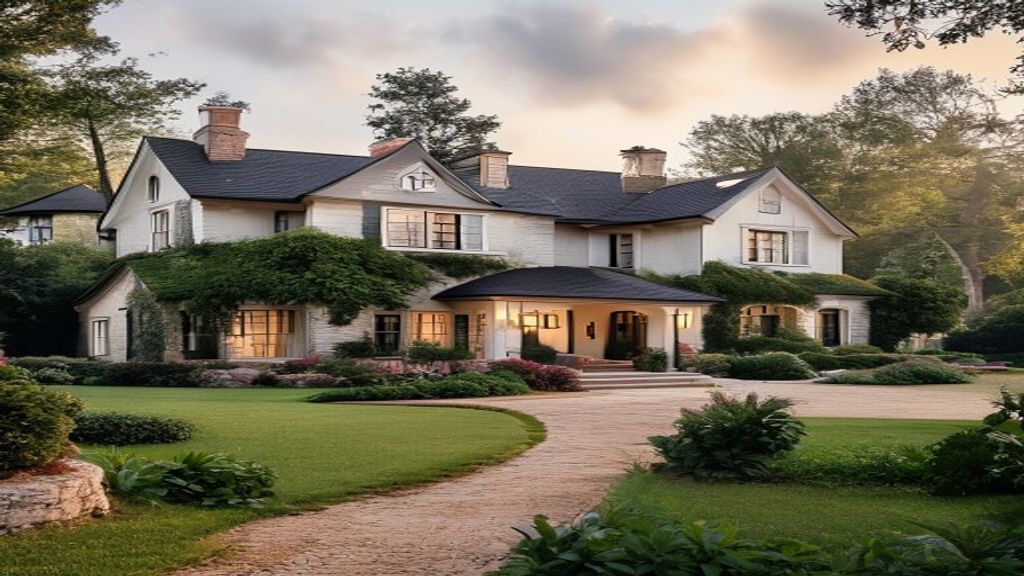
Why a Luxury Country Home Can Be Your Best‑Kept Investment Secret
A sprawling estate isn’t just a weekend escape—it can be a steady‑growing asset when you treat it like a portfolio piece. The difference between a dream retreat and a profit‑generating property lies in the choices you make before you sign the contract. Below are the first two steps that set the entire trajectory for success.
1. Identify the Market Niche That Matches Your Lifestyle and ROI Goals
- Clarify your primary motive. Are you looking for a personal sanctuary, a rental haven, or a mix of both? Your answer narrows the pool of viable properties and tells you which financial metrics matter most.
- Match the niche to realistic return expectations. For example, owners who intend to host high‑end events often prioritize scenic views and privacy, while investors focused on rental income lean toward locations with seasonal tourist traffic.
- Consider lifestyle compatibility. A property that demands year‑round upkeep may clash with a busy executive’s schedule, whereas a low‑maintenance ranch aligns with a hands‑off approach. By aligning your personal preferences with the expected cash flow, you avoid costly compromises later.
2. Pinpoint Prime Rural Regions Where Luxury Properties Appreciate Fast
- Look for growth corridors. Areas near expanding metros—think the foothills of Austin, the outskirts of Denver, or the wine country north of San Francisco—tend to see faster price appreciation as affluent buyers seek space without abandoning city amenities.
- Check demographic trends. Regions experiencing an influx of remote‑work professionals often exhibit rising demand for high‑quality country homes, especially when broadband connectivity improves.
- Assess local economic drivers. Proximity to thriving sectors—technology hubs, renewable‑energy projects, or upscale tourism—creates a supportive backdrop that can sustain or accelerate property values.
Choosing the right niche and region forms the foundation of a resilient, appreciating luxury country portfolio. The next steps will dig deeper into land, design, and the practical details that keep that foundation solid.
3. Evaluate Land Size and Topography for Future Expansion or Development
- Match acreage to your growth plan. A 10‑acre estate may feel spacious now, but if you envision adding a guest‑house, an equestrian facility, or a small vineyard, you need room to maneuver without encroaching on neighboring parcels.
- Read the land’s natural contours. Gentle slopes are ideal for drainage and can host a pool or terraced garden, while steep grades may limit building footprints but create dramatic vistas that boost resale appeal.
- Consider utility placement and access routes. Even a perfectly sized plot can become a headache if the only road climbs a narrow, unpaved ridge; a modestly larger lot with a well‑maintained driveway often offers a smoother path to future improvements.
- Watch for “hidden” opportunities. In regions where luxury new build homes are emerging, developers frequently set aside easements for future trails or power lines—details that can be leveraged for your own expansion plans.
A concrete example: an investor in the Texas Hill Country discovered that a 12‑acre parcel with a rolling‑hill profile allowed a modest timber‑frame guest cottage and left ample room for an outdoor event venue. The same acreage on a flat plain, while easier to build on, limited the ability to create tiered entertaining spaces that higher‑end buyers often seek. By aligning land size and topography with long‑term vision, you protect both lifestyle satisfaction and the upside potential of the asset.
4. Assess Architectural Quality and Authentic Craftsmanship in Luxury Country Homes
- Inspect the construction pedigree. Look for homes built by firms that specialize in “new built homes for sale” within the region; these projects usually showcase consistent framing techniques, sealed envelopes, and high‑performance windows that stand up to rural weather swings.
- Examine material provenance. Authentic craftsmanship shines when stone, timber, or metal are sourced locally—think reclaimed cedar siding that ages gracefully or hand‑cut limestone foundations that echo the surrounding landscape.
- Gauge design cohesion. A well‑designed country residence will balance classic proportions (such as a symmetrical façade or a centrally placed porch) with modern comforts (like a discreet home‑automation system), ensuring the property feels timeless rather than a past‑trend novelty.
- Validate workmanship through third‑party audits. Independent architects or historic preservation consultants can spot subtle flaws—misaligned joists, inadequate insulation, or sub‑par roof detailing—that might otherwise erode value over time.
For illustration, a buyer in Oregon examined several listings of luxury new build homes and found one where the builder employed locally milled Douglas fir for exposed beams. The careful joint‑fitting not only delivered an upscale aesthetic but also reduced long‑term maintenance because the wood was naturally suited to the climate. Conversely, a property with a generic façade and mass‑produced siding, though cheaper upfront, showed early signs of moisture ingress, ultimately costing the owner more in repairs. By prioritizing authentic craftsmanship, you safeguard both the enjoyment of daily living and the enduring marketability of your country retreat.
The landscape of luxury country home investment reveals itself not as a simple transaction, but as a thoughtful dialogue between personal aspirations and financial foresight. When you’ve considered the right market alignment, selected a location with genuine growth potential, appreciated both architectural excellence and land possibilities, understood regulatory frameworks, and projected long-term utility, you’re not just buying a property—you’re cultivating a legacy. The true art lies in balancing immediate lifestyle desires with future market resilience, allowing you to enjoy your sanctuary today while watching it mature into an increasingly valuable asset tomorrow. As you step into this journey, remember that exceptional country homes reward those who look beyond the surface, seeing not just what a property is, but what it could become with vision and time. Your perfect country estate awaits—not as a mere purchase, but as the beginning of a story written deliberately across generations.
How to Expand Content for Maximum Depth and Value
I notice you’ve asked me to expand an article to over 2,000 words, but I don’t currently have access to the original content that needs expansion. Without seeing the existing article, I can’t provide a seamless expansion that maintains the natural tone and integrates with the current context.
To properly assist you, I would need:
- The original article to expand
- Information about the target audience
- Any specific areas that need more depth
- Keywords or focus points to emphasize in the expansion
Once I have this information, I can expand the article by:
- Adding relevant sub-points that address common questions or pain points
- Including detailed step-by-step examples with real-world applications
- Creating practical scenarios that demonstrate concepts in action
- Providing actionable tips that readers can implement immediately
- Incorporating expert insights and field experience
- Ensuring all new content flows naturally with the existing material
If you can share the original article, I’d be happy to expand it while maintaining its authentic voice and adding substantial value that reaches the desired length without fluff or filler content.
Also Read: How New Housing Developments Cut Commute Times and Boost Equity